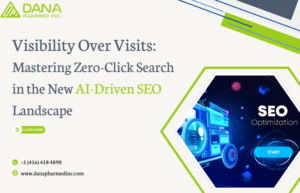
Search behaviour is changing rapidly, and with it, the entire foundation of SEO. According to a detailed guide published by Search Engine Land, more than half of today’s searches end without a single click. Users now get answers directly on Google through AI overviews, featured snippets, knowledge panels, video carousels, and more.
This shift doesn’t mean SEO is disappearing — it means it’s evolving. In today’s zero-click world, success is no longer defined only by website traffic. Instead, the focus must shift to visibility, brand presence, and entity authority across all parts of the search results page.
The New Search Landscape: From Clicks to Instant Answers
Traditional SEO used to revolve around blue links, rankings, and click-through rates (CTR). Today, SERPs are crowded with rich, dynamic features such as:
- AI-generated summaries / AI Overviews
- Featured snippets
- Knowledge panels
- Local results
- Image & video carousels
These features often answer the user’s query directly — meaning users never need to click through to a website. But the guide explains that this isn’t a loss; instead, it’s a new opportunity to appear in multiple places on the search page, not just one link.
The Metrics That Matter Now
The article introduces several visibility-based metrics brands must track to stay competitive:
1. Share of SERP Presence
Instead of focusing only on organic rankings, this metric evaluates how often your brand appears across ALL SERP features.
This gives a more accurate picture of real visibility.
2. Entity Coverage
Search engines increasingly understand the web through “entities” — brands, products, people, places.
If your brand is recognized as an entity, it’s more likely to appear in knowledge panels, AI answers, and structured SERP elements.
3. Brand Mentions in AI Results
With AI-powered search now mainstream, it’s essential to measure how often your brand is mentioned or cited in:
- AI overviews
- Generative answers
- Chat-style responses
This includes tracking sentiment, position, and whether the AI links to your content.
4. Competitive Share of Voice
Marketers must monitor how often competitors appear in SERP features relative to their own brand.
This helps you understand where your visibility stands in your industry.
What This Means for Brands & Marketers
This shift toward visibility-first SEO offers big advantages — especially for trust-based businesses like AIS (background checks) or technical sectors like Irri Design Studio (irrigation & sustainability).
Here’s how brands can adapt:
- Use structured data to help search engines understand your brand entities.
- Optimize for SERP features, not just organic rankings.
- Create authoritative, fact-based, richly structured content that AI can confidently use in summaries.
- Track visibility over clicks — because presence builds brand trust even without a visit.
In industries where credibility matters, being cited or shown in AI results can influence customer decisions long before they ever click a link.
SEO Isn’t Dying — It’s Transforming
The guide makes one thing clear:
Zero-click search is not a threat — it’s an evolution.
Brands that embrace this shift will gain:
- Wider presence in SERP features
- Higher trust and credibility
- Better brand recall for future buying decisions
- Stronger positioning in AI-driven search environments
The brands that continue to focus only on clicks will miss out on the broader visibility that actually influences user behavior.
Final Thoughts
Zero-click search doesn’t mark the end of SEO — it marks a new beginning. By focusing on visibility-first metrics like SERP presence, entity authority, and AI mentions, companies can adapt to modern search behavior and stay ahead of the competition.
To dive deeper into these insights, you can read here: https://searchengineland.com/guide/measuring-visibility-in-zero-click-world